
Childhood Lead Poisoning Prevention Program
Lead poisoning is a serious health problem, especially for children. It can affect brain development and overall growth. Even small amounts of lead can be harmful, so it’s important to test and treat it as soon as possible.

Ceramics/Pottery - Imported, old, and handmade pottery may have leaded glaze.

Paint - Paint in homes built before 1978 can contain high lead levels.

Toys - Lead can be found in the paint and plastics of imported and antique toys.
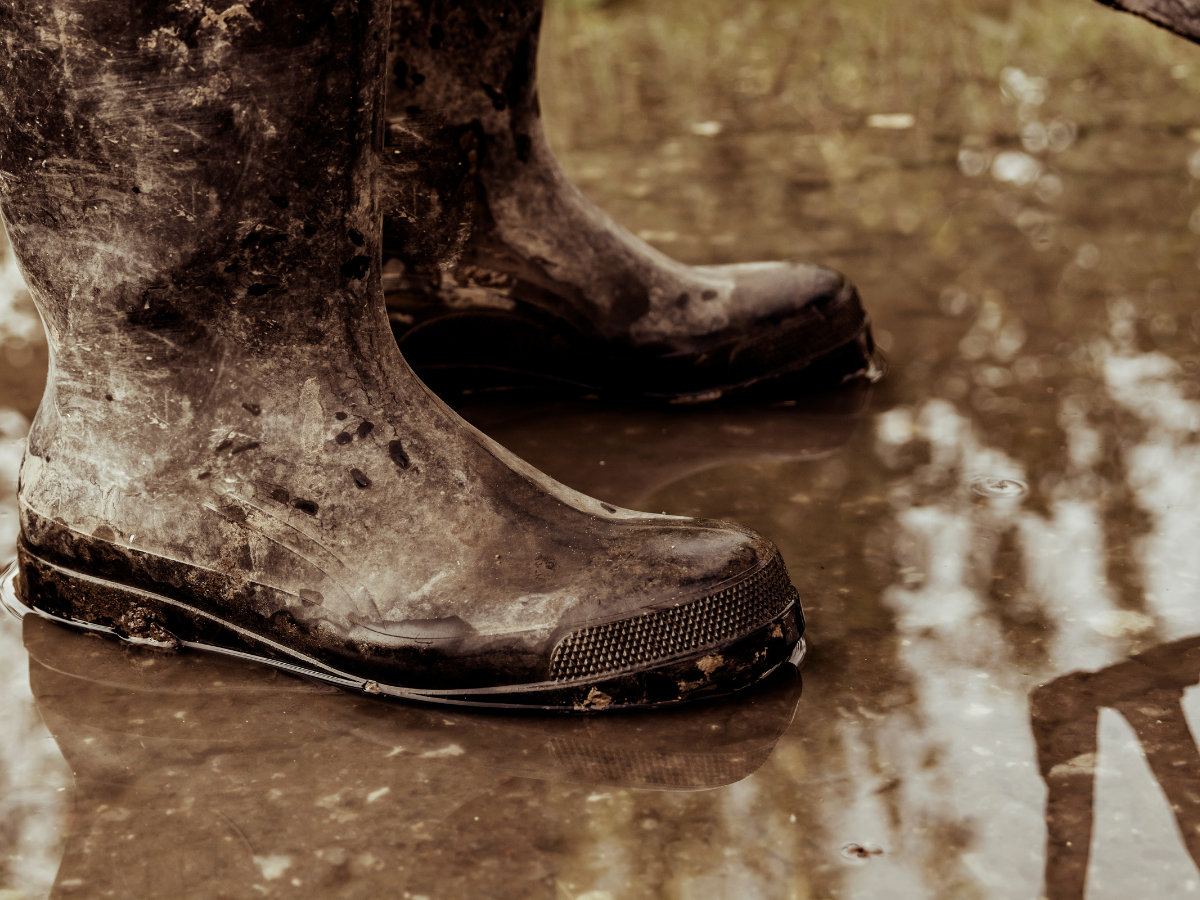
Hobbies/Work - Hobbes (hunting/fishing) or jobs (mechanic/construction) can bring home lead dust on shoes and clothing.

Candy - Lead has been found in some imported consumer candies and wrappers.
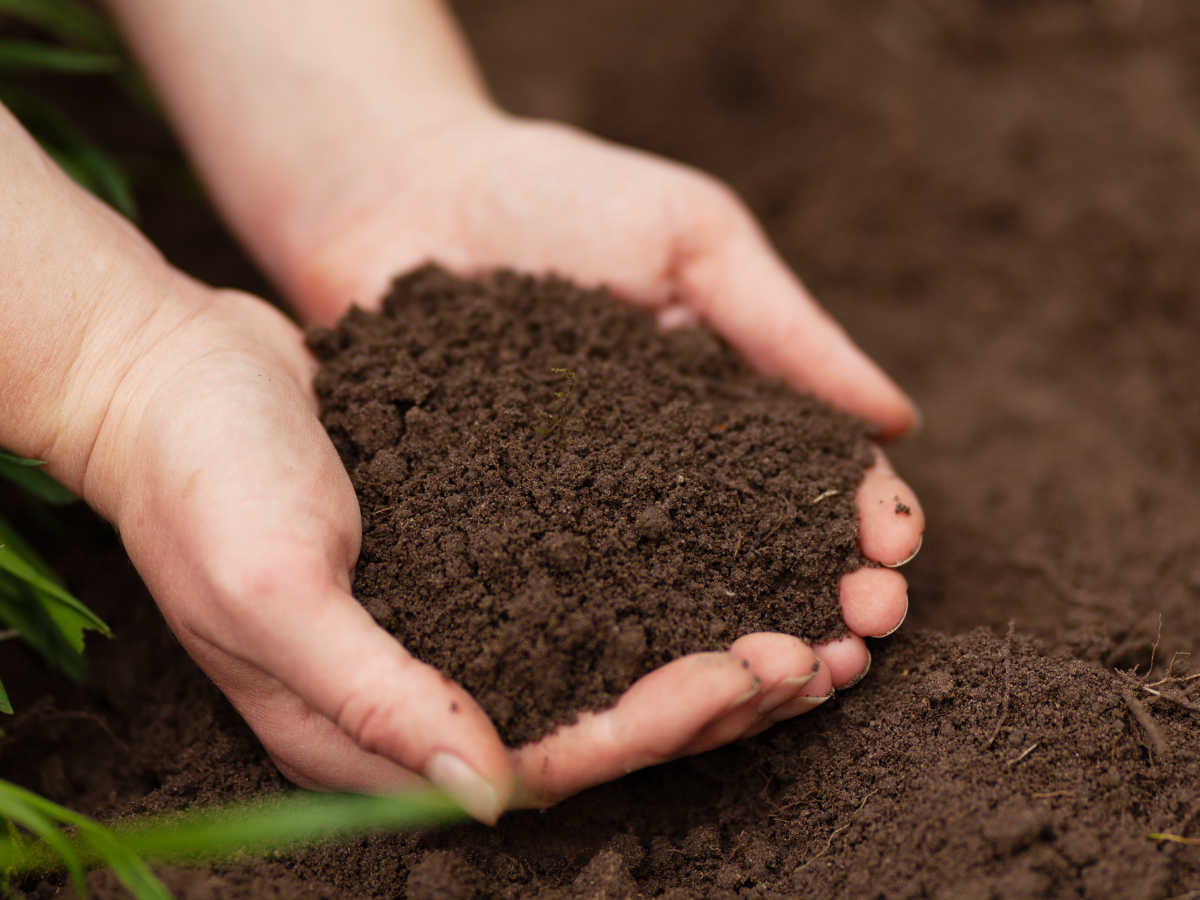
Dirt/Soil - Soil near busy streets or pre-1978 buildings can contain high lead levels.

Jewelry - High concentrations of lead have been found in costume jewelry and trinkets.

Drinking Water - Older plumbing may contain lead which can contaminate tap water.

Home Remedies - Make-up, powders, and medicines such as Kum Kum and Azarcon may contain lead.
THERE IS NO SAFE LEVEL OF LEAD
Lead poisoning is dangerous to the growth and development of young children. It can make it hard for children to learn, pay attention and behave. Lead is most harmful to children under the age of six because they are growing rapidly and put their hands or other objects in their mouth. Most children with lead poisoning do not look or act sick. The only way to know if your child has lead poisoning is for your child to get a blood test for lead. Most children are tested at one and two years of age.
Lead poisoning became a nationally notifiable condition in 1995. Since then, efforts have been made nationwide at the federal, state, and local levels to identify and care for lead burdened children and to prevent environmental exposures to lead. The vision of NCPHD’s Childhood Lead Poisoning Prevention Program (CLPPP) is a healthy, lead-safe environment where all children can thrive.
The CLPPP provides services to the community with the goal of:
Increasing awareness of lead hazards and providing education and assistance in order to reduce lead exposure,
Increasing the number of children who receive a blood test for lead poisoning,
Helping families identify and mitigate any potential sources of lead exposure in their homes.
The CLPPP provides case management services and home investigations to families of children found to have an elevated blood lead level. In addition, information and education are provided to the general public, medical providers, and community-based organizations. These services are open to all residents of Wasco & Sherman Counties free of charge.
-
Most childhood lead poisoning is preventable. Lead exposure often happens quietly through dust, soil, paint, water, or items brought into the home. Taking simple, consistent steps can greatly reduce your child’s risk.
Keep dust down. Wet-wipe windowsills, floors, and other surfaces weekly. Wash hands, toys, and pacifiers often—especially before meals and after playing outside.
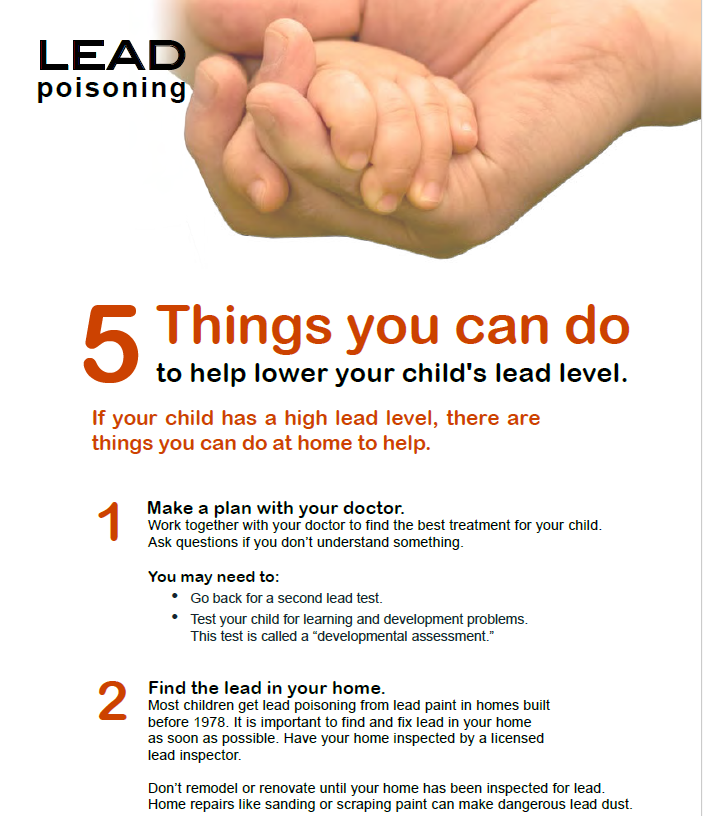
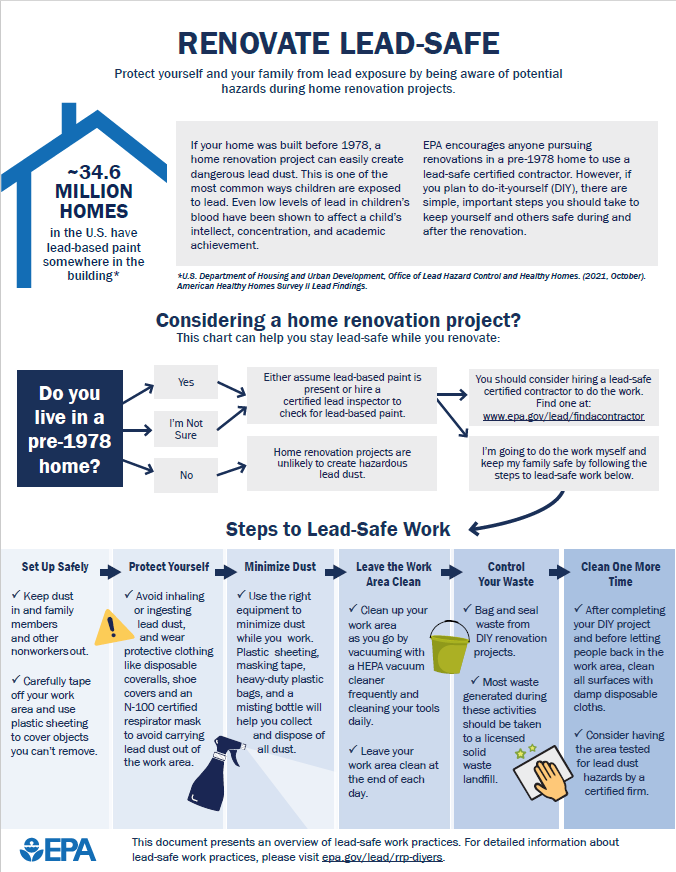
Be paint-safe. Homes built before 1978 may contain lead paint. Do not sand, scrape, or disturb peeling paint. Use lead-safe certified contractors for repairs or renovations.
Shoes off at the door. Soil can track lead indoors. Use doormats and remove shoes when entering.
Use cold tap water for drinking and cooking. Let it run for 30–60 seconds if it hasn’t been used for several hours. Consider a filter certified to remove lead.
Eat foods rich in iron, calcium, and vitamin C. These nutrients help reduce the body’s absorption of lead.
Be aware of jobs and hobbies. If someone in the home works with lead (construction, battery work, fishing weights, stained glass, firearms, auto repair), change clothes and shower before coming home, and wash work clothes separately.
Check products. Avoid imported pottery for food use, certain spices, cosmetics, toys, or remedies that may contain lead.
Test when recommended. Follow your healthcare provider’s guidance for blood lead testing, especially for young children and those living in older housing.
Small actions, done regularly, make a big difference in keeping children safe from lead.
-
Children can be exposed to lead when a parent or household member works in a job that involves lead and unintentionally brings lead dust home on their clothes, shoes, skin, hair, tools, or vehicles. This is called “take-home” or “secondary” exposure, and even small amounts of lead dust can be harmful to young children.
Jobs and activities that may involve lead include:
Construction, renovation, or demolition (especially in buildings built before 1978)
Painting, sanding, or scraping old paint
Roofing or working with lead flashing
Plumbing or pipe replacement
Battery manufacturing or recycling
Welding, metal cutting, or soldering
Auto repair, radiator repair, or work with heavy equipment
Manufacturing, foundries, or metal recycling
Bridge work or abrasive blasting
Firing ranges or ammunition work
Some hobbies can also involve lead, such as making stained glass, casting bullets or fishing weights, furniture refinishing, or working with certain ceramics or glazes.
How to protect your family from take-home lead:
Change clothes and shoes before leaving work. If possible, leave work clothes and boots at the job site.
Shower and wash your hair before going home or immediately upon arrival.
Store work items separately. Keep tools, uniforms, and gear out of living areas and away from children.
Wash work clothes separately from family laundry, using hot water.
Clean vehicles regularly if they are used to transport work materials or clothing.
Wash hands thoroughly after work and before eating, drinking, or touching your child.
Employers may be required to provide protective equipment and facilities to help reduce exposure. Workers should follow all workplace safety procedures and use recommended protective gear.
Taking these steps can significantly reduce the risk of bringing lead home and help keep children and other household members safe.
-
Columbia Cascade Housing Corporation
Wasco, Sherman and Hood River Counties
Up to $25,000 per applicant
Grant funding available
Available for primary residence of low-income homeowners
Wasco & Hood River Counties
Up to $20,000 per applicant
Deferred payment; no interest
Available for primary residence of low-income homeowners
-
In late 2023, the Oregon Health Authority (OHA) adopted the CDC’s updated Blood Lead Reference Value (BLRV) of 3.5 micrograms per deciliter (µg/dL). The previous value was 5 µg/dL. Children with blood lead levels at or above the BLRV represent those at the top 2.5% with the highest blood lead levels.
TESTING
Blood lead testing is the only acceptable laboratory test for screening and confirming lead poisoning. Venipuncture is preferred for specimen collection, but capillary testing is acceptable if care is taken to properly clean and prepare the finger. Capillary samples are easier to contaminate because of the possibility of lead containing dust and dirt on the hand or under the fingernails. All capillary BLLs ≥ 3.5 μg/dL (children or pregnant people) should be followed with a confirmatory venous test.
For children with lead poisoning (venous BLLs ≥ 3.5 μg/dL), follow-up venous tests should be done every 3 months until they have 2 consecutive tests below the BLRV.
REPORTING
Clinicians & laboratories must report all blood lead test results directly to the local health authority or OHA within seven days. Lead poisoning (>3.5 µg/dL) must be reported within one local public health authority working day; results may be sent electronically or faxed.
Contact Us
Zachary Hale - Epidemiologist & Certified Lead Risk Assessor
Phone: (541) 506-2600
Fax: (541) 506-2601
Email: disease@ncphd.org
Hours: Mon-Fri 8:30am - 5pm
-
January 2026: IKM of San Jose, California is recalling metal cookware items because they may be contaminated with significant levels of lead which may leach into food. For more information, click here
January 2026: Gusto Group Inc. recalls shrimp paste (Klong Kone) due to potential lead contaminant. For more information, click here
December 2025: Virgo recalls Rheumacare Capsules due to elevated lead levels (11,000 ppm). For more information, click here
December 2025: Lucky Foods brand recalls cinnamon powder due to potential lead contamination. For more information, click here
December 2025: Town Food Service Equipment Co., Inc. recalls aluminum saucepans because of lead leeching into contents during cooking. For more information, click here
Why Lead Poisoning is a Danger to Your Child’s Health | UNICEF
Prevención de la intoxicación por plomo
For more about recalls:
Frequently Asked Questions (FAQ)
-
Lead poisoning in children happens when a child is exposed to lead—usually by swallowing or breathing in tiny amounts of lead from old paint, dust, soil, water, or certain household items. Once lead enters the body, it builds up over time and can interfere with brain development, learning, behavior, and overall growth.
-
Most children with lead poisoning don’t show obvious symptoms, but when symptoms do appear, they can include irritability, trouble paying attention, learning or behavior problems, tiredness, loss of appetite, stomach pain, vomiting, constipation, headaches, or slowed growth. Severe exposure—though less common—can cause seizures, coma, or even death. Since these symptoms are vague and can look like many other childhood illnesses, a blood test is the only reliable way to know if a child has lead poisoning.
-
The only way to know if your child has lead poisoning is through a blood test. Most children with lead poisoning don’t look or act sick, and their symptoms—if any—can be easily mistaken for common childhood issues. If you live in or frequently visit a home built before 1978, have recent renovations, or think your child may have been exposed to lead from paint, dust, soil, water, or certain products, talk to your healthcare provider about getting a lead test.
-
It is recommended to test at ages 1 and 2.
If your child has a blood lead reference value (BLRV) of 3.5 µg/dL or higher, they should be retested every 3 months until their tests show that they are below that national threshold. It’s important to note: this value is not a “safe threshold” or a level above which harm starts. The CDC makes clear there is no safe level of lead in blood.
-
There is no safe amount of lead in a child’s body. The CDC uses a Blood Lead Reference Value (BLRV) of 3.5 µg/dL to identify children with higher-than-typical levels who need follow-up. However, health effects can occur even below this number. Levels 5–14 µg/dL may affect learning and behavior, 15–44 µg/dL can cause more significant health problems, and 45 µg/dL or higher is considered severe and may require urgent medical treatment, including medication to help remove lead from the body.
-
Yes. Lead poisoning can be treated, but the approach depends on how high the blood lead level is. For most children, treatment focuses on removing the source of lead, improving nutrition (especially iron, calcium, and vitamin C), and monitoring levels over time. When blood lead levels are very high—typically 45 µg/dL or higher—doctors may use chelation therapy, a medication that helps remove lead from the body. While treatment can lower lead levels, it cannot fully reverse damage already done, which is why early detection and preventing exposure are critical.
-
Removing lead from your home must be done carefully to avoid creating more hazardous dust. Here are the safest approaches:
Hire a certified lead professional for major work. If your home was built before 1978, only EPA-certified contractors should handle lead paint removal, repairs, or renovations.
Use lead-safe renovation practices. If you must do minor work yourself, seal off the area, use plastic sheeting, mist surfaces before scraping, and clean thoroughly afterward.
Keep dust down. Regularly wet-wipe floors, windowsills, and surfaces with a damp cloth or mop. Avoid dry sweeping or vacuuming with a regular vacuum, which can spread lead dust.
Fix peeling or chipping paint right away. Cover it with duct tape or contact paper until a professional can repair it using lead-safe methods.
Prevent track-in from soil. Keep shoes at the door and wash hands often, especially after outdoor play.
Flush pipes before using water for drinking or cooking if you suspect lead plumbing.
For significant lead hazards, professional remediation is the safest and most reliable option.


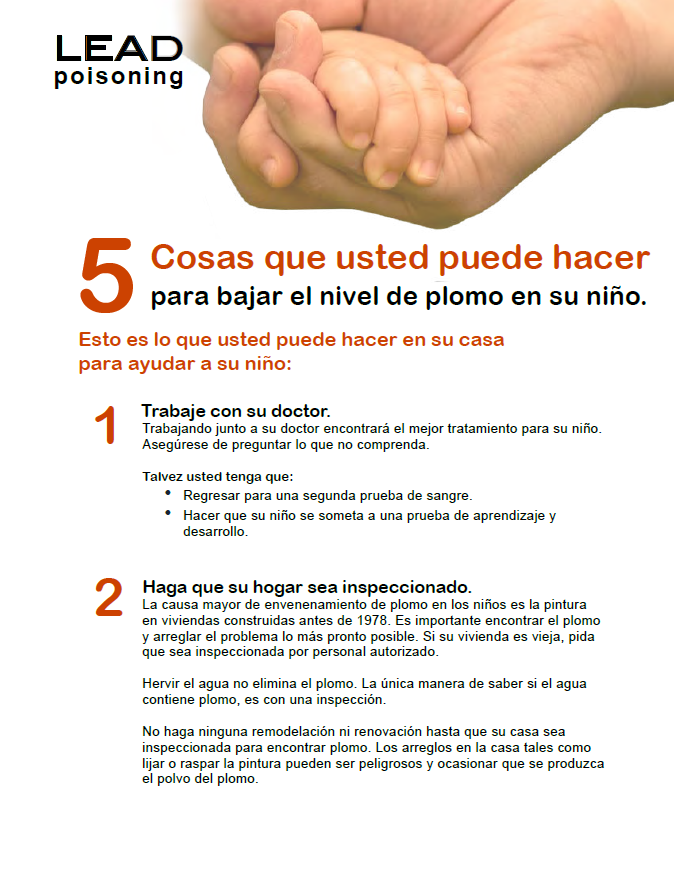
Español
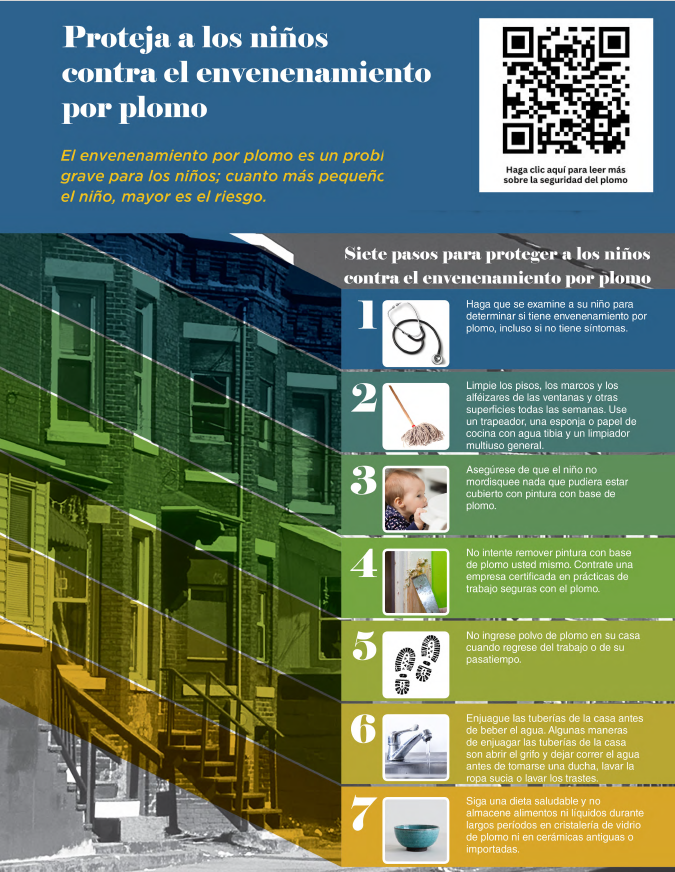
Español
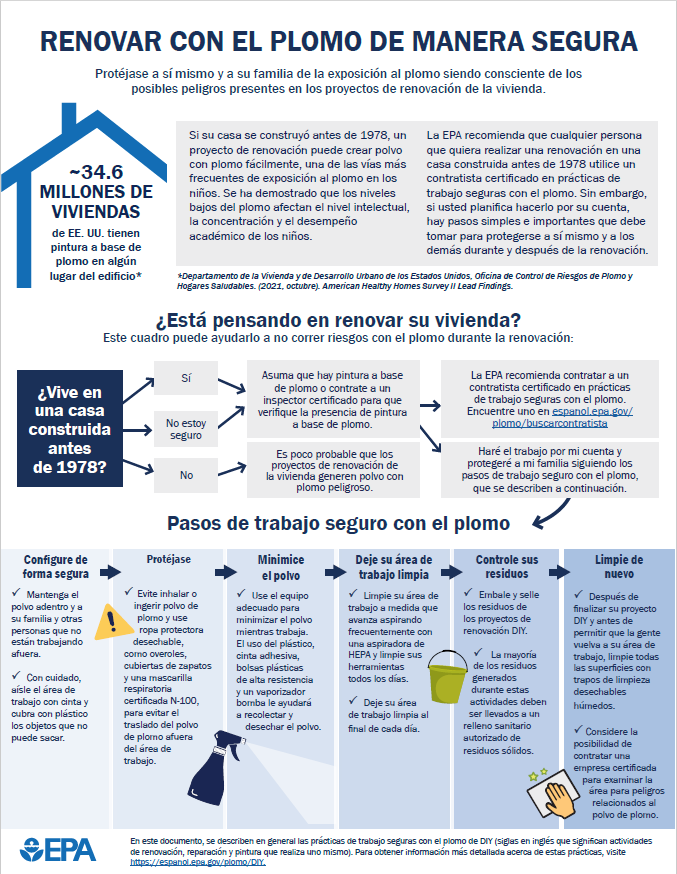
Español