
Measles
There are no cases of measles locally.
We will update here if that changes.
About Measles
-
Measles usually starts like a bad cold. The rash shows up several days later. Symptoms begin 7 to 21 days after you are exposed.
First Symptoms: High fever, often above 104°F. Cough, runny nose, and red, watery eyes. Most people feel very run down.
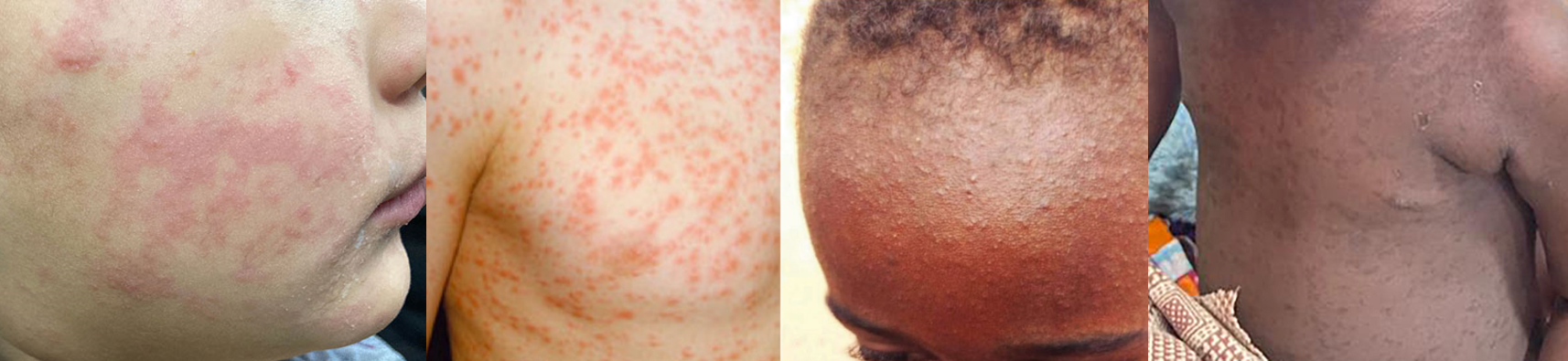
Measles Rash: A flat red rash starts 3 to 5 days after the first symptoms. It starts at the hairline and behind the ears. It then spreads down the face, body, arms, and legs. It is sometimes described as spreading “like a bucket of measles rash poured over the head.” The fever often climbs again when the rash appears.
If you have a fever and a rash, stay home and call your doctor before you go in.
-
Most people with measles feel very sick for a week or more. Many end up in the hospital.
Out of every…
5 people who get measles and are not vaccinated, 1 goes to the hospital.
20 children who get measles, about 1 gets a lung infection (pneumonia).
1,000 children who get measles, 1 to 3 die from it.
Measles can cause other problems that are rarer but very serious. About 1 in 1,000 children with measles gets swelling in the brain, which doctors call encephalitis. It can cause lasting harm. Measles can also cause vision loss and hearing loss. If you are pregnant, measles can make you give birth too early, or cause your baby to be too small.
Measles also leaves your immune system weaker for months or years after you get better. That makes it easier to catch other illnesses. Some researchers call this immune amnesia. Your body forgets how to fight germs it had already learned to fight.
Learn more: full list of complications (NEJM, Table 1)
-
Measles spreads through the air. When a sick person breathes, coughs, or sneezes, the virus goes into the air around them. It can stay in the air of a room for up to two hours after that person leaves. Measles is one of the easiest diseases in the world to catch. If 10 people who are not vaccinated spend time near someone with measles, about 9 of them will get it.
You can also spread measles before you know you are sick. People can pass it on starting four days before the rash shows up, and for four days after.
Who gets sickest. Measles can be serious at any age. But the worst problems are more common in:
Children under 5, and the youngest most of all
Adults over 20
People who are pregnant
People with a weak immune system, such as from leukemia, HIV, or cancer treatment
Protecting Yourself and Your Family
-
Make sure everyone in your home is up to date on the MMR vaccine. It is the only thing that reliably prevents measles.
Two doses are about 97% effective at preventing measles. One dose is about 93% effective.
All children should get the MMR shot. Adults who never got one as a child should get one now.
Not sure whether you had it? See "How do I check whether I've been vaccinated" below.
Where to get an MMR vaccine:
Call us at (541) 506-2600 between 8:30am-5pm to schedule your appointment
Most pharmacies
Your regular doctor's office
MMR protects against three diseases at once: measles, mumps, and rubella.
-
Yes. MMR is one of the most studied vaccines in use. Getting the vaccine is far safer than getting measles.
Most people have few or no side effects. The common ones are mild and do not last long: a low fever, a mild rash, or a sore arm where the shot went in.
Compare the risks. In 2025, 2,289 people in the US were reported to public health with measles. Of those, 243 people went to the hospital, and 3 died. Meanwhile, millions of people in the US get the MMR vaccine every year. If the vaccine sent people to the hospital as often as measles does, we would see hundreds of thousands of hospital stays a year. It would be impossible to miss. All of us would know someone it had happened to.
No deaths in healthy people have been shown to be caused by the MMR vaccine. A few children with very weak immune systems have died from side effects. That is why doctors do not give MMR to those children. It is also why the rest of us getting the shot is what keeps them safe.
Note: in the United States, you cannot get the measles vaccine by itself. It only comes as the combined MMR shot.
-
There are four ways to find out. Which one works depends on when and where you got the shot.
You got the shot in Oregon in 1996 or later. Your record is in ALERT, Oregon's vaccine record system. Call us at [phone number] and we can look it up while you are on the phone.
You got the shot in another state in 2011 or later. Most states keep vaccine records too. You can ask that state for your records.
You cannot find a record anywhere. Ask your doctor for a measles titer. It is a blood test that shows whether you are immune.
You would rather not wait. Just get another dose. If you have only had one, a second one is a good idea anyway. If you have already had two, a third one carries very little added risk.
Were you born before 1957? We assume you are immune. Almost every child caught measles back then, before there was a vaccine. You can still get a blood test or a shot if you want to be sure.
-
If you cannot get the vaccine, staying away from other people is the only other tool you have. During an outbreak, that means avoiding crowded indoor places. A well-fitted mask may help some. But measles moves through the air more easily than most illnesses. A mask is not a substitute for the shot.
Being healthy does not prevent measles. Drinking water, eating well, exercising, and sleeping enough are all good for you. Being in good health may lower your odds of the very worst outcomes. But it will not keep you from getting measles. Healthy people do get very sick from it. No supplement, diet, or home remedy protects you the way the vaccine does.
Can vitamin A prevent or treat measles?
No, vitamin A cannot prevent measles. It will not protect you if you have already been exposed.
If you or your child does get measles, a doctor may give a small, measured dose of extra vitamin A. It can lower the risk of the worst outcomes for some patients. This is something a doctor needs to handle. Too much vitamin A makes people very sick. It can cause nausea, tiredness, bone pain, and blurry vision, and it can do lasting harm to the liver. Do not give vitamin A pills to a child with measles on your own.
Learn more: vitamin A does not prevent measles (American Academy of Pediatrics)
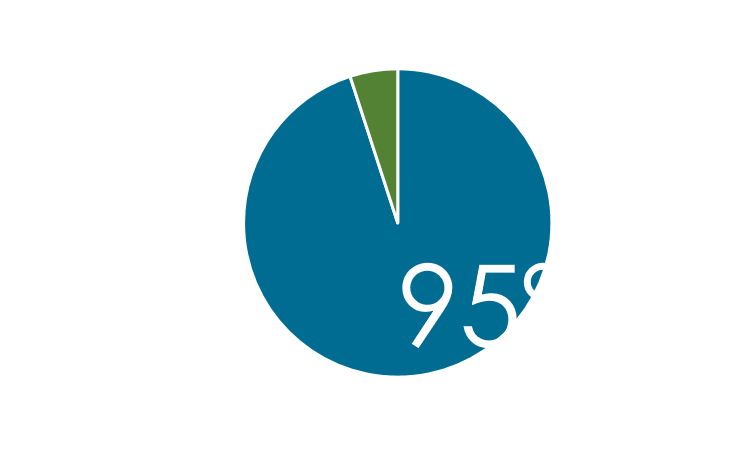
So far in 2026, 95% of measles cases in the United States have been people who were not vaccinated or didn’t know their vaccination status.
Only 3% of measles cases have been people who received 2 doses of the measles vaccine.
Source: CDC, as of 9/11/2026
If You Think You Have Measles
-
Stay home.
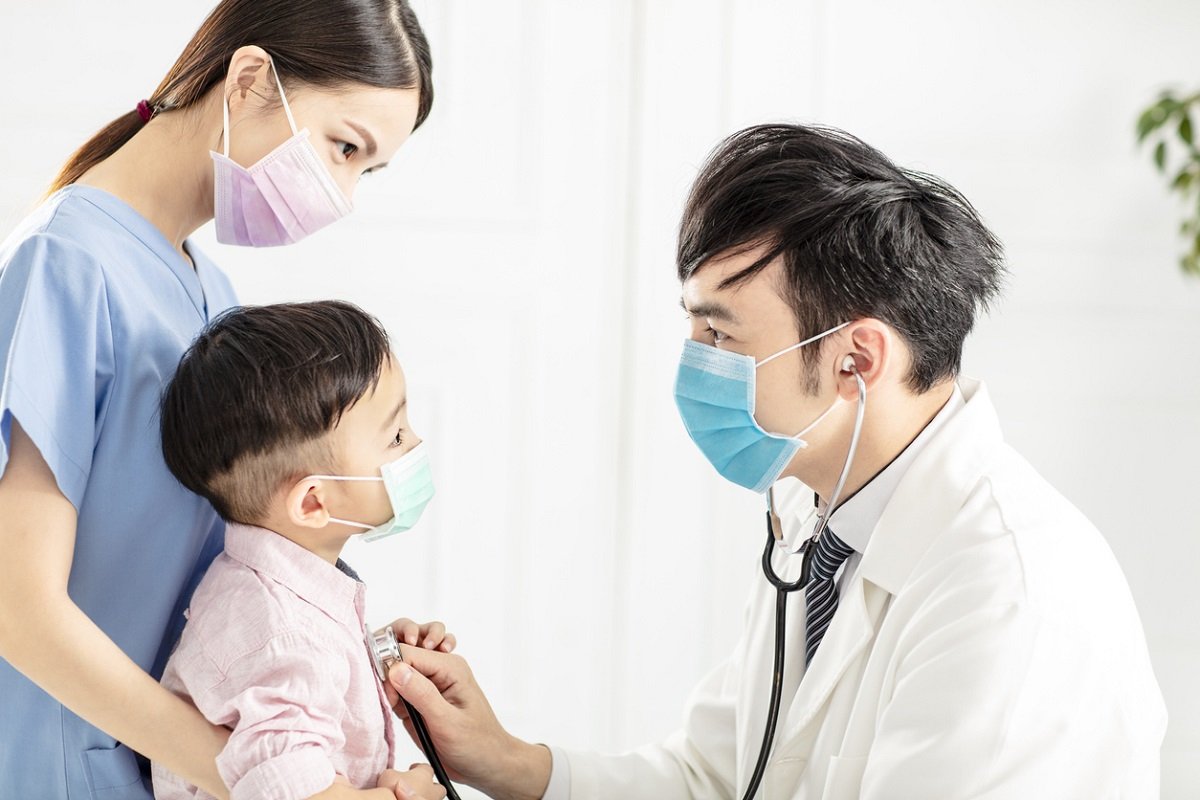
Call your doctor. Do not walk into a clinic, urgent care, or emergency room without calling ahead. They will tell you how to come in without exposing other patients, some of whom cannot get the vaccine.
Stay away from other people who are not immune. Wait until your doctor or public health tells you it is safe.
Expect a call from us. Measles is a reportable illness. If your doctor also thinks you have measles, someone from our office will call you. We will tell you what to do next, and when you can go back to work or school.
-
There is no drug that kills the measles virus. Doctors treat the symptoms that are causing the most trouble while your body fights the virus off.
For example, medicine can bring down a fever that is dangerously high. If you are having trouble breathing, a hospital can put you on a machine that helps you breathe. This care is real, and it saves lives. But it treats the damage measles does. It does not fight the virus itself. That is why preventing measles matters so much more than treating it.